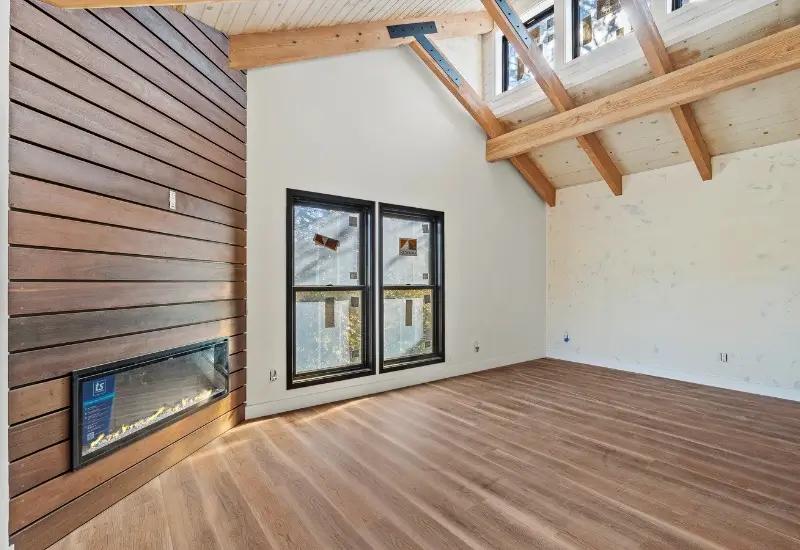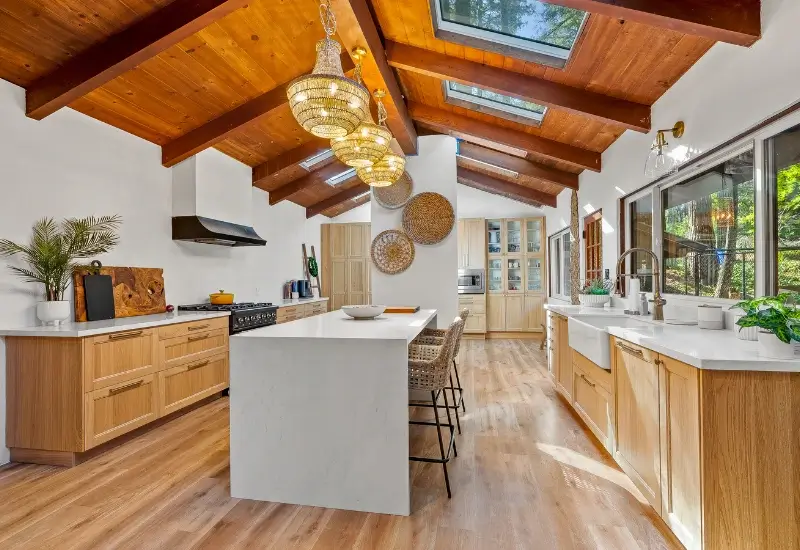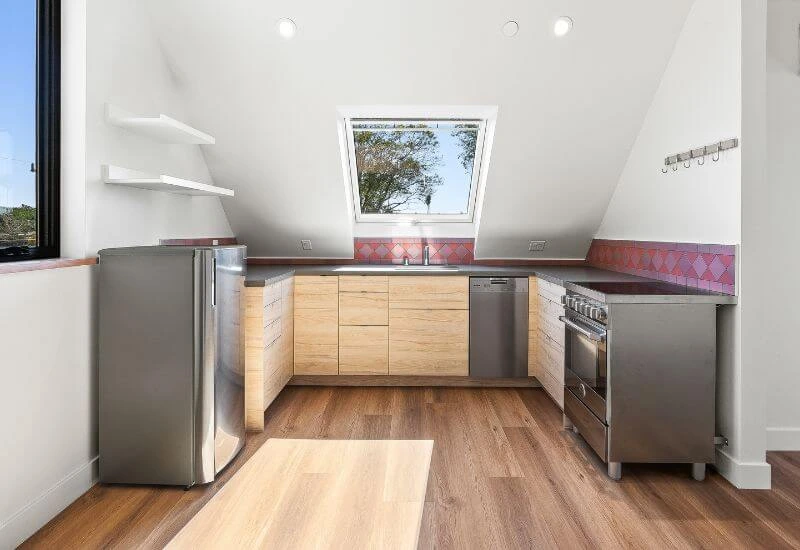
For high-traffic areas, the choice between LVP and laminate flooring depends on the type of wear your floor will face. Luxury Vinyl Plank (LVP) is the superior choice for areas with high moisture risk, like kitchens or mudrooms, due to its 100% waterproof polymer core. However, for dry, high-traffic zones like hallways and living rooms, premium laminate often lasts longer thanks to a tough, aluminum oxide-infused wear layer that offers superior resistance to daily scratches and scuffs from pets, shoes, and furniture.
Beyond the Waterproof Label
When you walk into flooring showrooms, “durability” is the word you hear most often. But what does it actually mean? For years, the conversation has been dominated by one single factor: water. This has positioned Luxury Vinyl Plank (LVP) as the default champion of durable flooring. And for good reason—it’s inherently waterproof.
But true, long-term durability in busy homes is a much more complex story. It’s a story of daily abuse, not just occasional spills. The question of which flooring holds up best over time isn’t just about surviving plumbing leaks. It’s about enduring relentless scraping of dining chairs, frantic clawing of dogs chasing balls, and grinding of tracked-in grit underfoot.
Understanding Core Material Differences
The fundamental difference between vinyl plank and laminate begins deep inside planks, in core materials. This composition dictates everything from water resistance to how floors feel underfoot and how they react to stress.
Laminate’s Wood-Based Core
At its heart, laminate flooring is a wood product. Its core is made from wood byproducts bonded with resins, typically forming high-density fiberboard (HDF). This HDF core gives laminate its rigid, substantial feel, which many homeowners find appealingly similar to hardwood. However, this wood-based nature is also its primary vulnerability. While top surfaces are sealed, significant water exposure seeping into seams can cause cores to swell, warp, and delaminate—damage that is typically irreversible.
LVP’s Polymer Core
Luxury vinyl plank is a completely synthetic product. Its core is made from plastic composites, most commonly WPC (Wood Plastic Composite) or SPC (Stone Plastic Composite). This is the key to its biggest selling point: LVP is 100% waterproof. Vinyl flooring’s synthetic materials enhance its moisture resistance, allowing water to sit for long periods without causing damage. An SPC core, being denser and more rigid, offers even greater impact resistance than WPC, making it popular for commercial spaces and very active homes.
The Surface Battle: Scratch vs. Dent Resistance
While cores dictate how floors handle water, topmost layers dictate how they handle daily life. This is where high-traffic performance truly diverges, creating a fascinating paradox of strengths and weaknesses.
Laminate’s Aluminum Oxide Advantage
Premium laminate flooring is protected by an incredibly tough, transparent topcoat. This wear layer is a clear aluminum oxide layer to protect floors against scratches—one of the hardest materials used in flooring manufacturing. Because laminate is sealed with such a tough wear layer, it’s extremely durable against the kind of abrasive wear that makes floors look old before their time.
This aluminum oxide layer is why high-end laminate often provides the best answer to what flooring doesn’t scratch easily. It’s a formidable defense against pet claws, dragged toys, office chairs, and fine grit acting like sandpaper under every footstep. Durability is measured by an Abrasion Class or “AC” rating. For high-traffic home flooring solutions, look for AC3 or AC4 ratings. For commercial flooring for retail stores or other business settings, AC5 ratings provide maximum scratch and scuff resistance. When subjected to rigorous testing where flooring is subjected to abrasive paper discs, the best flooring is unscathed after 500 cycles, or 1,000 abrasive rubs, simulating years of heavy foot traffic.
The LVP Dent vs. Scratch Paradox
Luxury vinyl plank’s wear layer is different. It’s a layer of clear PVC vinyl, and its thickness is measured in mil (thousandths of an inch). Quality LVP for residential use should have wear layers of at least 12 mil, with 20 mil or higher being ideal for heavy foot traffic and commercial-grade applications. While this vinyl layer is tough, it is inherently softer than laminate’s aluminum oxide coating.
This leads to the “dent vs. scratch” paradox. LVP’s softer, more resilient construction (both core and wear layer) makes it superior at absorbing impacts. Drop a heavy can in the kitchen, and LVP is more likely to flex and absorb the blow, resulting in no damage or a minor dent. Laminate’s rigid surface is more likely to chip or “crater” from the same impact. This superior dent resistance is a clear LVP advantage.
However, that same softness makes surfaces more prone to fine scratches and deep gouges. While it resists dents from dropped objects better, heavy furniture dragged across LVP can slice into vinyl wear layers more easily than it could scratch high-quality laminate floors. This is the crucial trade-off many homeowners overlook when only focusing on the waterproof aspect.
Room-by-Room Analysis for High-Traffic Homes
Entryways, Hallways, and Living Rooms
Winner: Laminate
These are the arteries of your home, seeing the most constant foot traffic. The primary threat isn’t puddles of water; it’s abrasive wear. Dirt, sand, and pebbles tracked in on shoes are the number one enemy. For these specific areas, laminate’s superior scratch resistance (from AC4-rated products) provides more durable surfaces against claws, toy cars, and general daily chaos. This makes it one of the best flooring options for hallways and stairs and a top choice for active family rooms.
Kitchens, Bathrooms, and Mudrooms
Winner: LVP
In these spaces, moisture is the clear and present danger. From overflowing sinks and dishwasher leaks to wet boots and bath time splashes, water damage risk is constant. Vinyl flooring is 100% moisture-resistant, making LVP the undeniable champion. Its ability to handle spills and impacts from dropped pots and pans makes it the better long-term flooring investment for these demanding, wet-prone environments. While water-resistant laminate exists, the peace of mind offered by truly waterproof floors like LVP is invaluable.
Basements
Winner: LVP
Basements are below-grade and inherently susceptible to moisture issues, from high humidity to potential leaks or flooding. Laminate’s wood core is a non-starter here. LVP, especially rigid SPC core products, is the best flooring for basements. It is dimensionally stable in changing temperatures and completely impervious to water damage, providing durable and worry-free solutions.
Common Questions Answered
Is vinyl or laminate better for high-traffic areas?
It depends on the type of traffic. For abrasive traffic (scratches from dirt, pets, and dragging items) in dry areas, high-AC-rated laminate is better. For areas with heavy foot traffic combined with spill and moisture risk, LVP is better.
Can you put a refrigerator on top of vinyl plank flooring?
Yes, you can. LVP can withstand heavy furniture. However, it’s crucial to use furniture protectors under feet or wheels to distribute weight and prevent indentation or gouging of wear layers over time. Avoid dragging or sliding it across floors during installation or moving.
Does LVP devalue a home compared to laminate?
Neither LVP nor laminate will add the resale value of genuine hardwood, but both are seen as modern, desirable upgrades over old carpet or sheet vinyl. High-quality installation and stylish, contemporary looks have more impact on potential buyers’ perception than material differences between the two.
Choosing Based on Your Needs
Busy Families
Needs: Flooring for high-traffic living rooms or hallways with children and pets. Prioritizes resistance to daily scratches from toys and claws over 100% waterproof capability.
Recommendation: Your primary concern is surface durability against constant, abrasive wear. High-quality laminate with AC4 ratings is likely your best choice. Its aluminum oxide wear layer offers superior protection against the daily grind of family life, keeping floors looking newer for longer compared to LVP that may show fine scratches more readily.
Practical Landlords
Needs: Cost-effective, durable flooring for rental unit main areas that can withstand tenant turnover, moving furniture, and frequent foot traffic with minimal surface damage.
Recommendation: For rental property durability, laminate presents a compelling case for living areas and bedrooms. Its resistance to scratching from moving furniture is a significant advantage during tenant turnover. For kitchens and bathrooms in rentals, LVP installation remains the safer, waterproof option to prevent costly subfloor repairs from tenant mishaps.
Basement Renovators
Needs: Flooring for below-grade spaces with dampness or leak risk. Primary decision factor is material’s ability to withstand moisture, making waterproof cores essential.
Recommendation: This is an easy decision. LVP is the only suitable option. Its 100% polymer core is completely impervious to water, making it perfect waterproof flooring for busy homes and moisture-prone basements. Choose SPC (Stone Plastic Composite) cores for added rigidity and dent resistance in newly renovated spaces.
Choosing between LVP and laminate flooring requires careful examination of your own home and lifestyle. By understanding core differences in how they’re made and how they wear, you can select the right material that not only looks beautiful but also provides lasting performance for years to come.