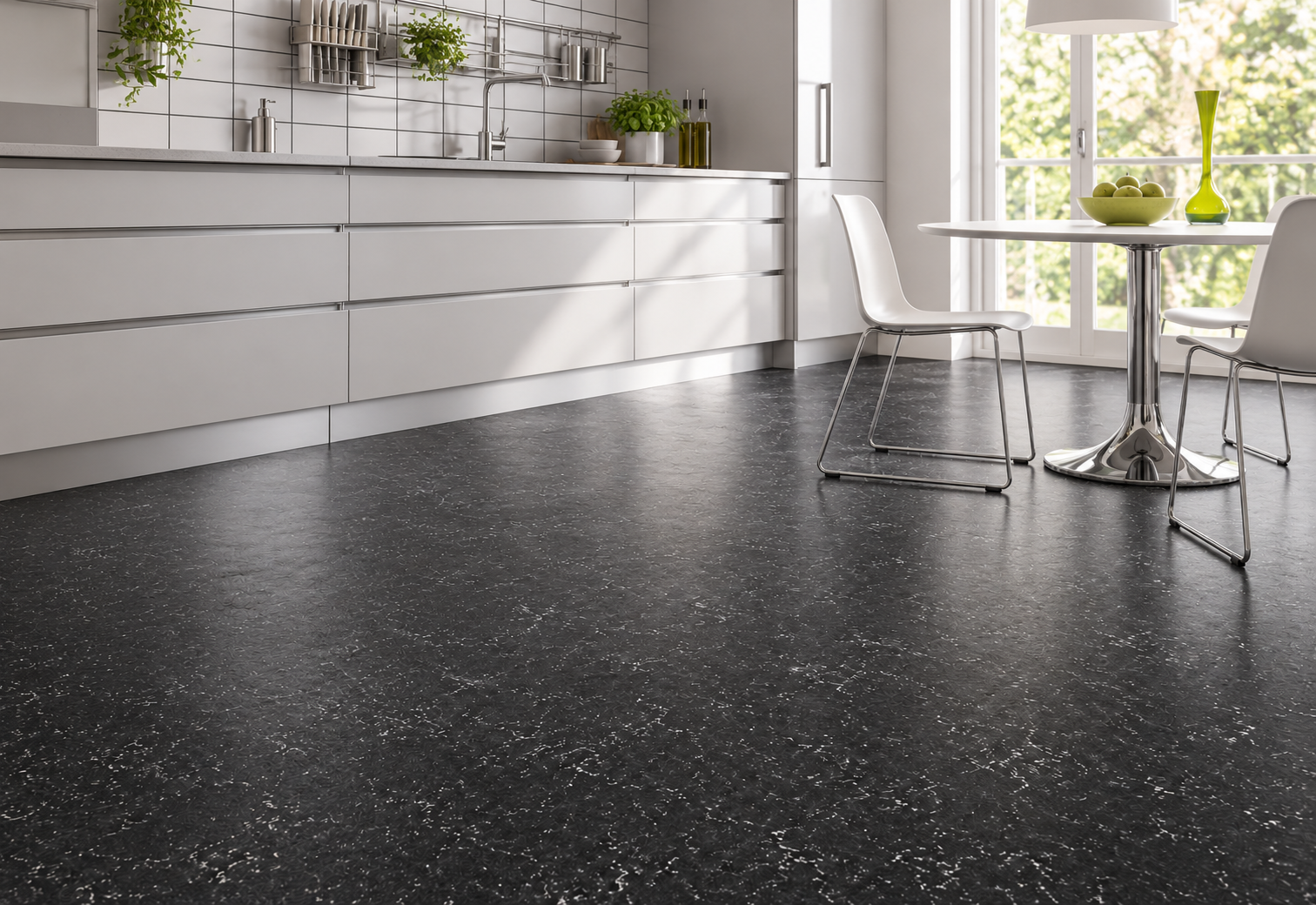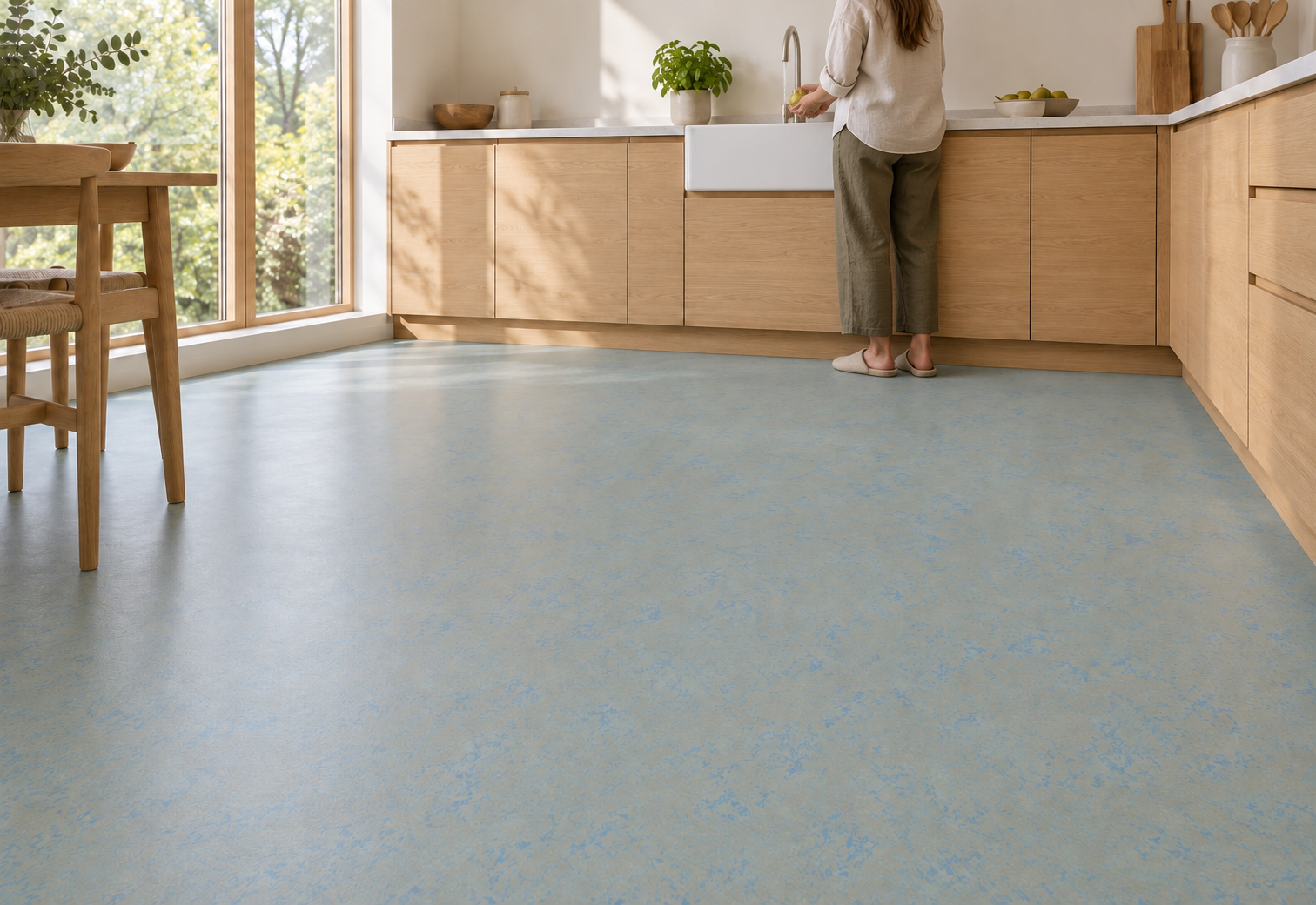
Yes, you can install laminate flooring over existing tile or hardwood, but success depends entirely on extensive surface preparation. The existing floor must function as a perfect subfloor, and preparation labor can often rival or exceed complete tear-out work, potentially creating long-term problems if not done correctly.
The Perfect Subfloor Standard
The appeal of laying laminate over existing floors is clear: less mess, reduced labor, and faster completion. However, this approach assumes your current floor provides a suitable base. Your new laminate performs only as well as the surface beneath it.
Industry Flatness Requirements
The non-negotiable standard for floating floors, including laminate, requires flatness within 3/16 inch variance over a 10-foot span. Any deviation sets up installation failure.
Testing for flatness: Place an 8-to-10-foot straight board or level across the floor in multiple directions. Slide a 3/16-inch shim or three stacked credit cards underneath. If it fits anywhere, that spot fails the test. For hardwood, check for cupping (high spots) or gapping (low spots).
Beyond flatness, floors must be structurally sound—no cracked, loose, or hollow-sounding tiles, and no soft, bouncy, or damaged hardwood planks.
Why “No-Demo” Projects Aren’t Always Shortcuts
When existing floors fail the flatness test—and most older floors do—you face significant preparation work. This intensive, dusty, time-consuming labor often gets underestimated.
Preparing Tile Surfaces
Grout lines create valleys across entire floors. Laying laminate directly over them causes clicking sounds with every step and eventually breaks plank locking systems. Leveling requires:
- Thorough cleaning and degreasing
- Applying self-leveling compound or patch binder
- Screeding to perfect flatness
- Two-day curing period for proper hardening
High spots or stubborn tiles may need grinding. Loose or cracked tiles require removal and void filling or epoxy securing. This multi-day preparation process must be completed before laying the first new plank.
Preparing Hardwood Surfaces
Old hardwood presents different challenges. Cupping, warping, or significant high spots—especially at seams—require floor sander rental for grinding. Damaged boards or water-damaged areas need cutting out and replacement. For glued-down hardwood, every section must maintain 100% secure bonding to prevent bouncy, unstable new flooring.
Why Underlayment Can’t Fix Subfloor Problems
Thick underlayment cannot smooth uneven surfaces. Its primary functions are cushioning, sound absorption, and moisture barrier protection—not leveling.
Consequences of Uneven Bases
Uneven foundations create constant stress on laminate locking mechanisms. Planks flexing into low spots cause:
- Gapping: Seams gradually pulling apart
- Buckling: Planks lifting and peaking at joints
- Breakage: Tongue-and-groove systems snapping permanently
- Spongy feel: Bouncy, unstable sensation underfoot indicating voids beneath
Even premium underlayment simply conforms to imperfections below, telegraphing them through to new laminate and compromising the installation.
The Height Addition Challenge
Laminate plus underlayment adds 1/2 to 3/4 inch floor height, creating multiple issues:
Door Clearance
Entry, closet, and pantry doors no longer swing freely. Removal, bottom trimming with circular saws, and rehanging become necessary.
Door Trim Modifications
Professional installations require flooring sliding underneath door trim. This means cutting a quarter to half inch from door jambs and casings using jamb saws or multi-tools.
Appliance Complications
Kitchen installations create problems for dishwashers, ranges, and refrigerators. Added height can trap dishwashers under countertops, complicating future repairs or replacements.
Transition Strips
Higher floors create awkward, potentially hazardous lips meeting adjacent flooring like carpet or vinyl. Thicker, more expensive transition strips become necessary for managing height differences.
Comparing Preparation vs. Tear-Out
Installing Over Existing Floors
Advantages:
- Faster and less messy when existing floors are perfectly flat and sound
- Avoids demolition labor and disposal costs
- May be the only safe option for suspected asbestos tile (requiring professional abatement if disturbed)
Disadvantages:
- Hidden grinding, patching, and leveling labor spanning days
- Added height creating door and appliance issues
- Any old floor shifting or failure compromises new flooring above
- Risk of bouncy or noisy installation without perfect preparation
- Potential manufacturer warranty voidance
Full Floor Removal
Advantages:
- Provides clean slate for installation
- Allows structural subfloor inspection and repair
- Guarantees perfectly flat surface for optimal long-term performance
- Eliminates all height-related issues
- Preferred professional method
Disadvantages:
- Labor-intensive, dusty, and noisy process
- Debris disposal costs
- Potential discovery of unexpected subfloor damage requiring additional repairs
- Greater upfront time investment
Choosing the Right Approach
Budget-Conscious DIYers
If your existing floor is verifiably flat and solid, overlay installations can work. However, realistically assess leveling compound costs, tool rentals (sanders, grinders), and time investment. Difficult preparation can quickly become more frustrating and expensive than straightforward tear-out—especially if failure requires starting over.
Quality-Focused Homeowners
Prioritizing beautiful, stable floors lasting decades means overlay risks often outweigh benefits. Full tear-out provides complete foundation control, addresses underlying subfloor issues, ensures perfect installation honoring manufacturer warranties, and delivers peace of mind.
Professional Contractors
Time equals money, and predictability is crucial. Tear-out represents a known quantity with accurate labor and disposal estimates. Preparation jobs become wild cards, simple skim coats can turn into multiple leveler applications and days of curing time. The faster, more predictable, reliable job guaranteeing satisfied clients is typically full demolition.
Treating old floors as new subfloors isn’t a shortcut, it’s a project requiring the same rigor as complete replacement. The foundation determines everything about your finished floor’s performance and longevity.