When choosing between linoleum and vinyl flooring for wet areas, the decision extends beyond simply picking the most waterproof option. While vinyl offers unparalleled waterproof performance, modern linoleum presents a compelling case with surprising durability, eco-friendly credentials, and healthier indoor air quality. The best choice ultimately balances vinyl’s practical synthetic nature against linoleum’s sustainable, long-wearing advantages based on your personal priorities.
Understanding the Fundamental Differences
For decades, linoleum and vinyl have been used interchangeably, creating widespread confusion. These materials are fundamentally different in composition and performance.
Vinyl: The Synthetic Standard
Vinyl flooring is a fully synthetic petroleum-based product. Its multi-layer construction includes:
- Protective wear layer: Resists scratches and stains
- Printed design layer: High-resolution images mimicking wood, stone, or other materials
- Core layer: Typically PVC (polyvinyl chloride) providing stability
- Backing/underlayment: Cushioning and sound dampening
Vinyl comes in several formats. Sheet vinyl arrives in large, flexible rolls for seamless floors. LVT (Luxury Vinyl Tile) and LVP (Luxury Vinyl Plank) come in rigid tiles and planks that click together for modular installation.
Linoleum: The Natural Original
Linoleum is not plastic. True linoleum is created by oxidizing linseed oil (from flax plants) into thick cement, then mixing it with pine resin, wood flour, ground cork dust, and mineral pigments. This mixture is pressed onto jute backing—a product of nature, not chemical plants.
Performance Comparison: Six Key Factors
Water Resistance and Durability
Vinyl: This is vinyl’s strength. As non-porous plastic, vinyl is inherently waterproof. Spills, splashes, and pet accidents sit on surfaces without penetrating, making cleanup simple. The material itself is 100% waterproof, making it excellent for high-moisture areas. Both sheet vinyl and vinyl planks provide top-tier water protection.
Linoleum: Linoleum is not waterproof, but is highly water-resistant. The material withstands moisture well, but its weakness lies in seams. Prolonged standing water can penetrate improperly sealed seams and damage subfloors or jute backing. However, modern sheet linoleum professionally installed with heat-welded or properly sealed seams creates surfaces functionally impervious to daily kitchen or bath spills and splashes. Performance in bathrooms hinges almost entirely on installation quality.
Sustainability and Environmental Impact
Vinyl: Vinyl’s primary environmental drawback is its petroleum-based composition from non-renewable resources. Manufacturing is energy-intensive. It’s not biodegradable and difficult to recycle, often ending in landfills at end of life.
Linoleum: Linoleum champions eco-friendly flooring options. Its ingredients are natural, renewable, and sustainably harvested. Linseed oil, cork, and jute are all plant-based. At the end of its very long life, linoleum is biodegradable. Sustainable flooring options consistently include linoleum alongside bamboo, hempwood, and cork.
Health and Indoor Air Quality
Vinyl: A significant concern with some vinyl products is off-gassing. Cheaper vinyl can release Volatile Organic Compounds (VOCs) impacting indoor air quality. Look for products with FloorScore certification ensuring they meet strict low-VOC standards. Vinyl floor yellowing can occur from chemical reactions between plasticizers and rubber-backed mats, though this is less common in modern, high-quality products.
Linoleum: Linoleum offers one of the healthiest non-toxic flooring options available. Continuous linseed oil oxidation gives linoleum inherent antimicrobial properties, making it naturally bacteriostatic and hypoallergenic. It actively inhibits bacterial and microbial growth. Made without solvents with naturally low VOC emissions, it contributes to cleaner, healthier home environments.
Long-Term Wear and Maintenance
Vinyl: Typically lasts 10 to 20 years. Durability depends almost entirely on top wear layer thickness. Thicker wear layers (measured in mils) provide better scratch and scuff protection. However, deep gouges penetrating this layer can damage the printed design underneath permanently. Routine cleaning is simple with most common household cleaners.
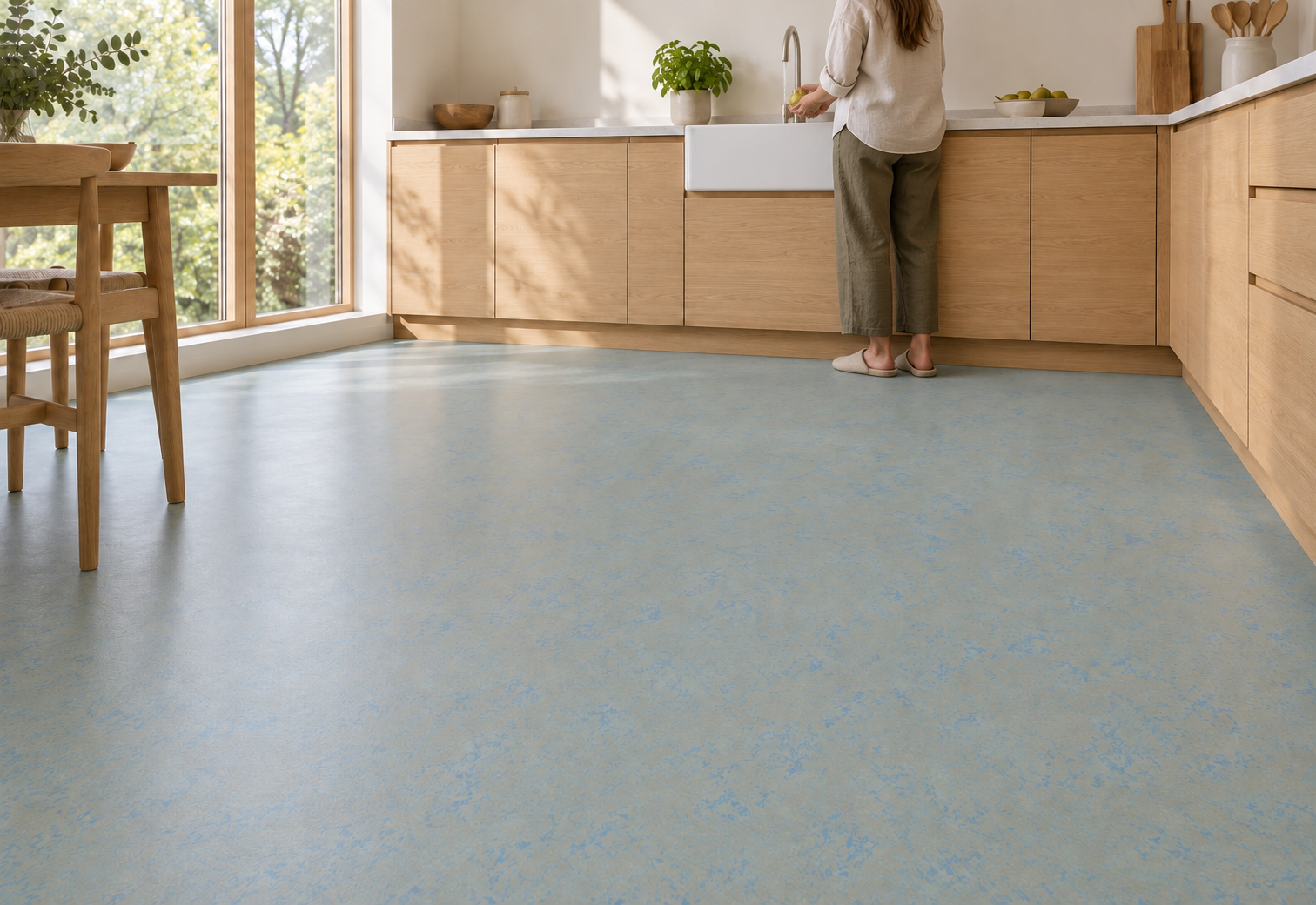
Linoleum: Features “through-body” color with pigments mixed throughout the entire material, not just printed on top. Scratches or small gouges reveal the same color underneath, making damage far less visible. This provides huge scratch resistance advantages, especially for families with kids or pets. With proper care, linoleum floors easily last 25 to 40 years or more. Maintenance involves regular sweeping and damp mopping with pH-neutral cleaners, with protective sealant reapplication every few years maintaining luster and water resistance.
Aesthetics and Design Options
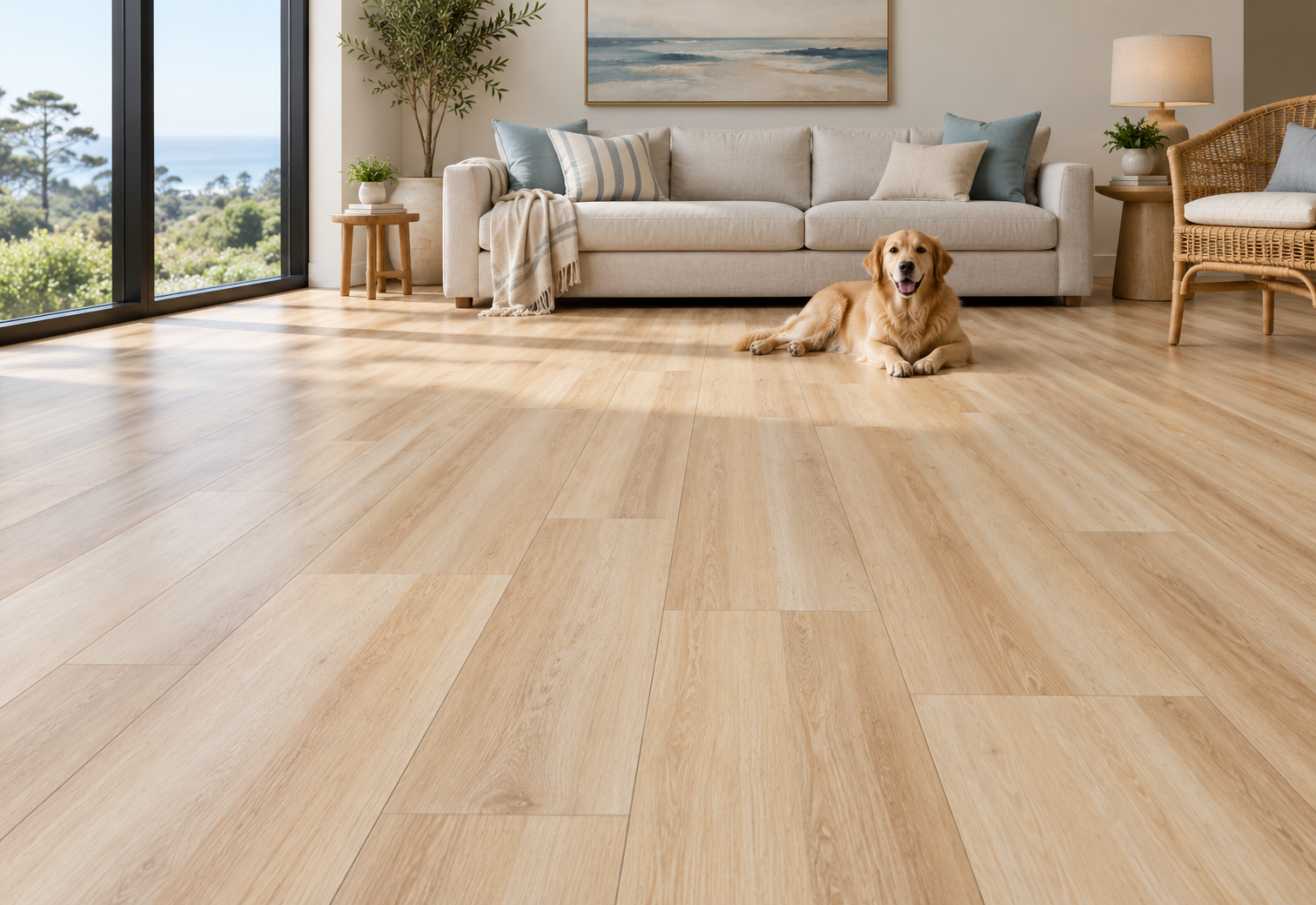
Vinyl: The ultimate flooring chameleon. Advanced printing technology convincingly mimics almost any material. High-end vinyl planks can imitate tropical woods like koa, mango, and teak, or wide, hand-hewn hardwood boards. From rustic barnwood to elegant marble, design options are virtually limitless.
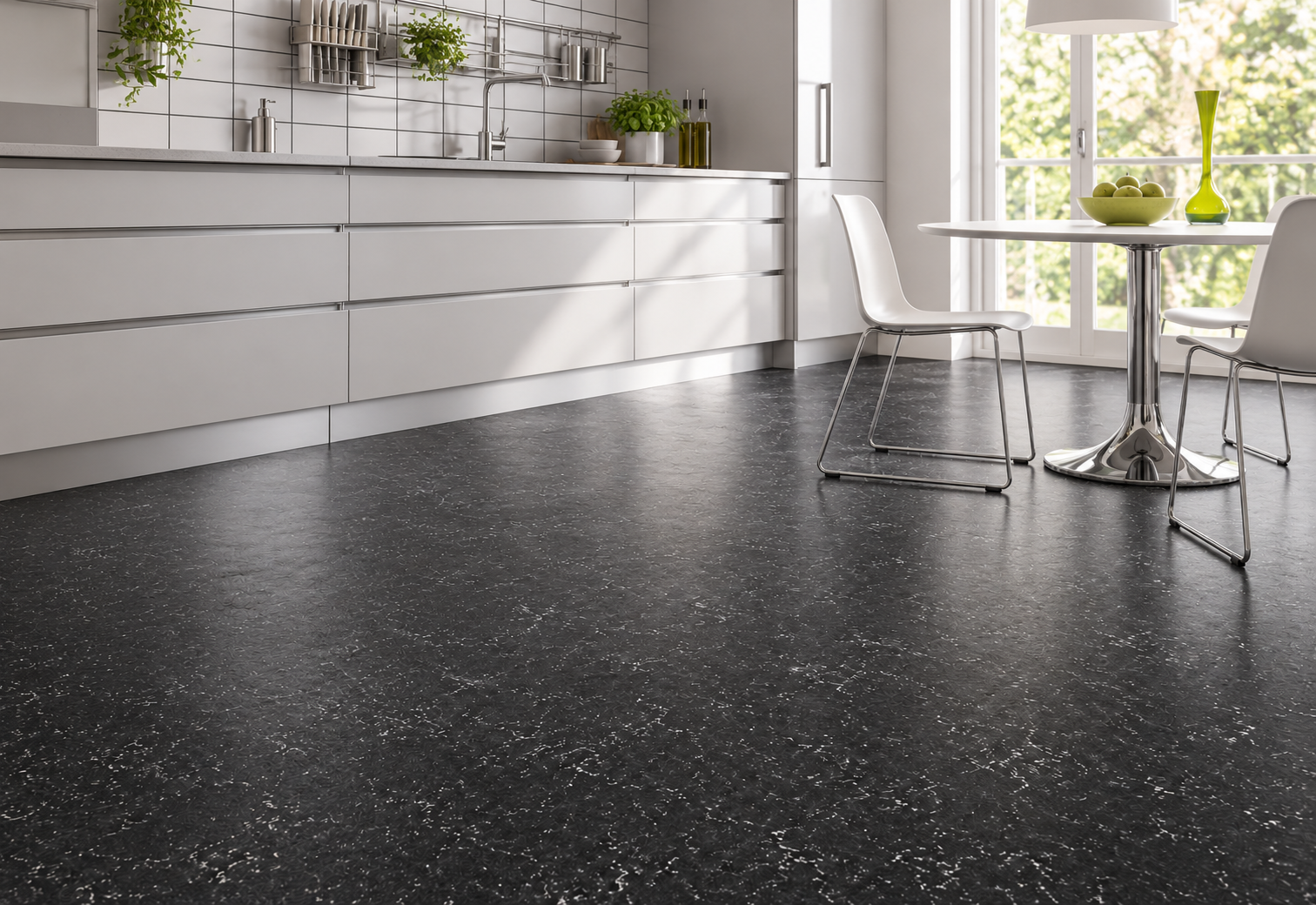
Linoleum: Modern linoleum dispels the “Grandma’s kitchen” myth. The misconception that linoleum floors are outdated stems from confusing it with cheap, dated vinyl patterns from the 1970s. Modern linoleum flooring, particularly from manufacturers like Forbo Marmoleum, offers stunning arrays of deep, rich architectural colors and subtle patterns. It doesn’t try to mimic wood or stone—it has its own unique aesthetic identity. Through-bodied colors provide depth and richness that printed vinyl can’t replicate.
Cost Considerations
Vinyl: Entry-level sheet vinyl is among the most affordable kitchen flooring options. Luxury vinyl plank ranges from budget-friendly to quite expensive. A significant cost advantage is installation. Click-lock LVP is popular for DIY bathroom or laundry room installations, saving considerable labor costs.
Linoleum: Material costs are often comparable to mid-range LVP. However, sheet linoleum installation costs are typically higher. Because achieving water-resistant kitchen or bathroom finishes depends on perfect seams, professional installation is strongly recommended for sheet flooring. This upfront labor cost makes linoleum a more expensive initial investment, but its longer lifespan can result in better long-term value.
Room-Specific Recommendations
Bathrooms
For rooms with constant high humidity, shower overspray, and potential standing water, vinyl is the safer, foolproof choice. Its 100% waterproof nature provides maximum subfloor protection. However, if you prioritize healthy, non-toxic, sustainable materials, linoleum is an excellent option—provided it’s single sheet (minimizing seams) and installed by certified professionals who properly seal perimeters and cuts.
Kitchens, Utility Rooms, and Laundry Rooms
These areas present more balanced choices. Because catastrophic flooding is less common than in bathrooms, the decision shifts. Water-resistant hard-surface flooring is recommended for kitchens, bathrooms, entryways, laundry areas, and utility rooms. Both materials fit this requirement.
If you need waterproof flooring for leaky washers, vinyl wins. For kitchens with pets and kids, linoleum’s through-body color offers superior scratch hiding and long-term durability, making it incredibly resilient for high-traffic zones.
Why Linoleum’s Residential Popularity Declined
People never stopped using linoleum, especially in commercial settings like hospitals and schools where durability and hygienic properties are highly valued. Its residential decline in the latter 20th century resulted from cheaper, mass-produced sheet vinyl’s rise, with which it was often confused. Today, there’s major resurgence as homeowners rediscover its benefits. Demand for sustainable building materials and healthier homes has put modern linoleum, like Forbo Marmoleum, back in the spotlight as premium, eco-conscious flooring.
Choosing Based on Your Priorities
Eco-Conscious Renovators
Recommendation: Linoleum. If your primary drivers are sustainability, natural materials, and creating the healthiest possible indoor environment, linoleum is the unmatched winner. You prioritize its biodegradable and renewable composition and natural antimicrobial properties. Professional installation is a necessary investment for floors aligning with your values and lasting decades.
Practical, Budget-Minded Landlords
Recommendation: Vinyl flooring. Your needs are clear: cost-effective, durable, completely waterproof solutions that are low-maintenance and handle tenant wear and tear. Sheet vinyl or durable LVT offers ultimate peace of mind against water damage with easy cleaning and maintenance. Lower upfront costs and simple installation make it a smart, practical business decision for rental properties.
Design-Focused Homeowners
Recommendation: Depends on your aesthetic. If you’re set on achieving specific looks like wide-plank oak flooring or Carrara marble in bathrooms, high-end Luxury Vinyl Plank (LVP) or Tile (LVT) is your best bet. It offers hyper-realistic visuals with wet-area performance. However, if your design calls for rich, saturated, monolithic color and unique material quality feeling authentic and architectural, vibrant modern linoleum palettes are far more compelling choices.
The best flooring for your kitchen, bath, or laundry room is a personal decision balancing practicality, longevity, health, and style. Understanding the true differences between these two resilient materials empowers you to make choices you’ll be happy with for years to come.